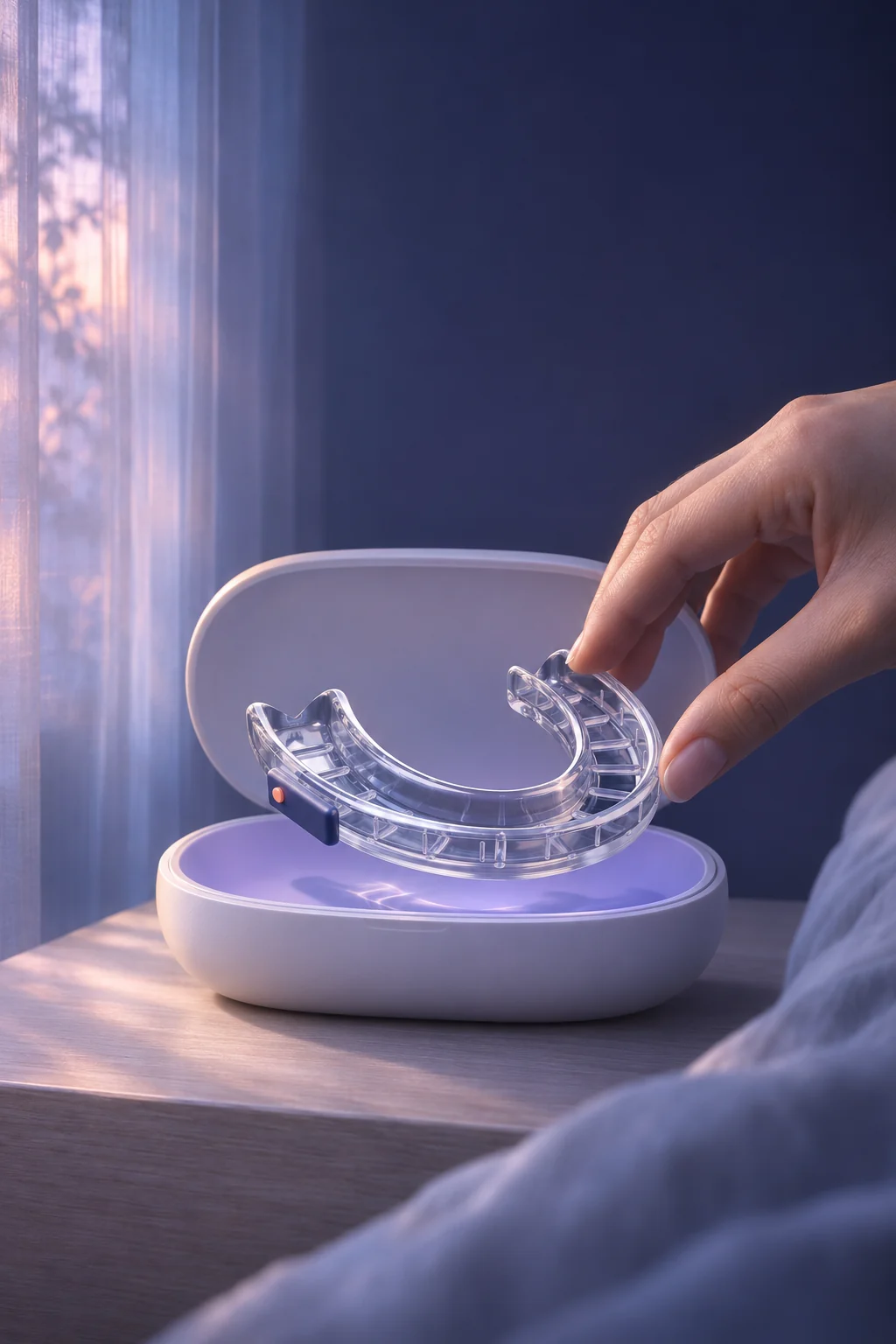
Melatonin and cortisol move all night long. Today they are usually read in a clinic, one sample at a time. We're building a way to follow them through the night.
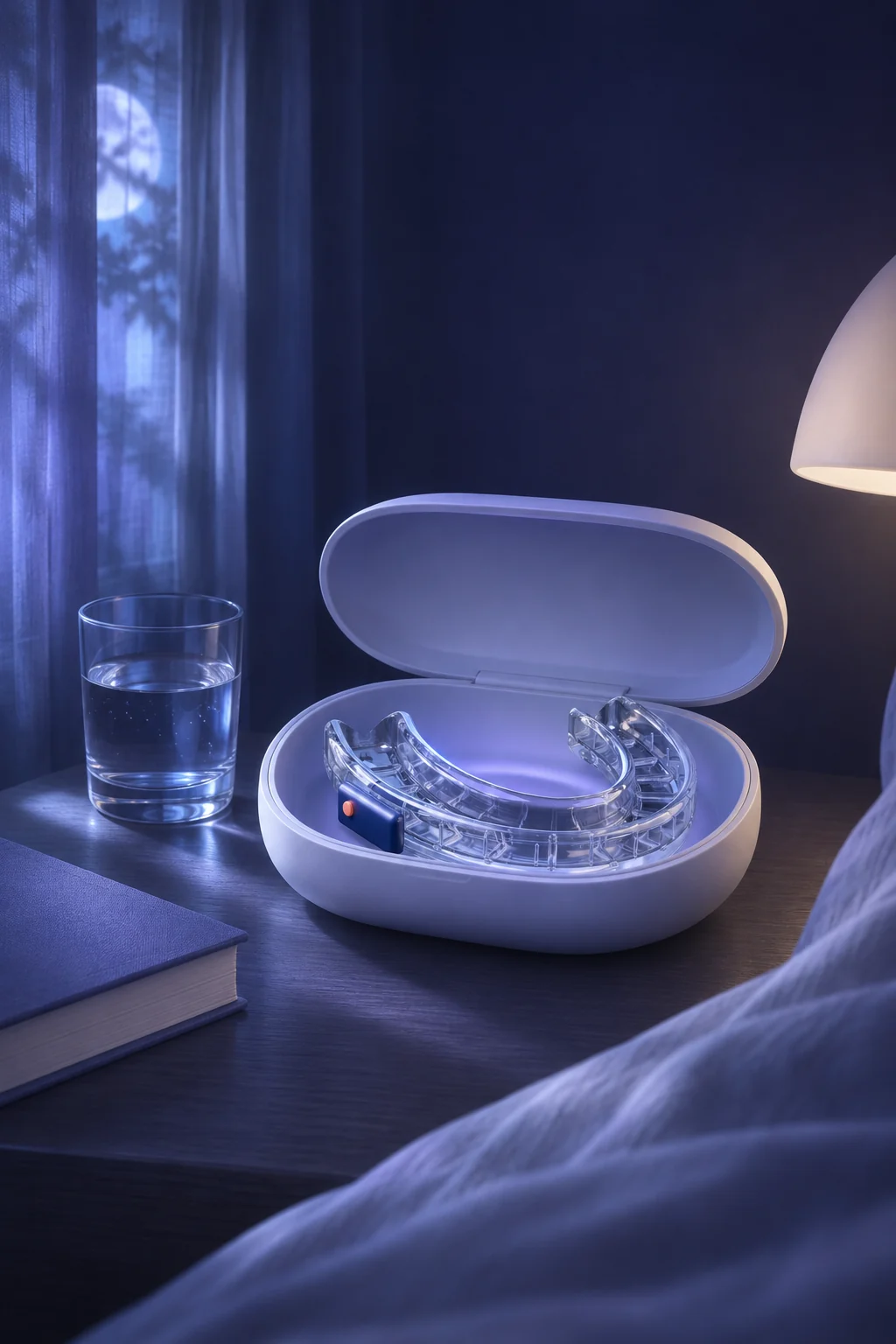
Put it in. Turn out the light.
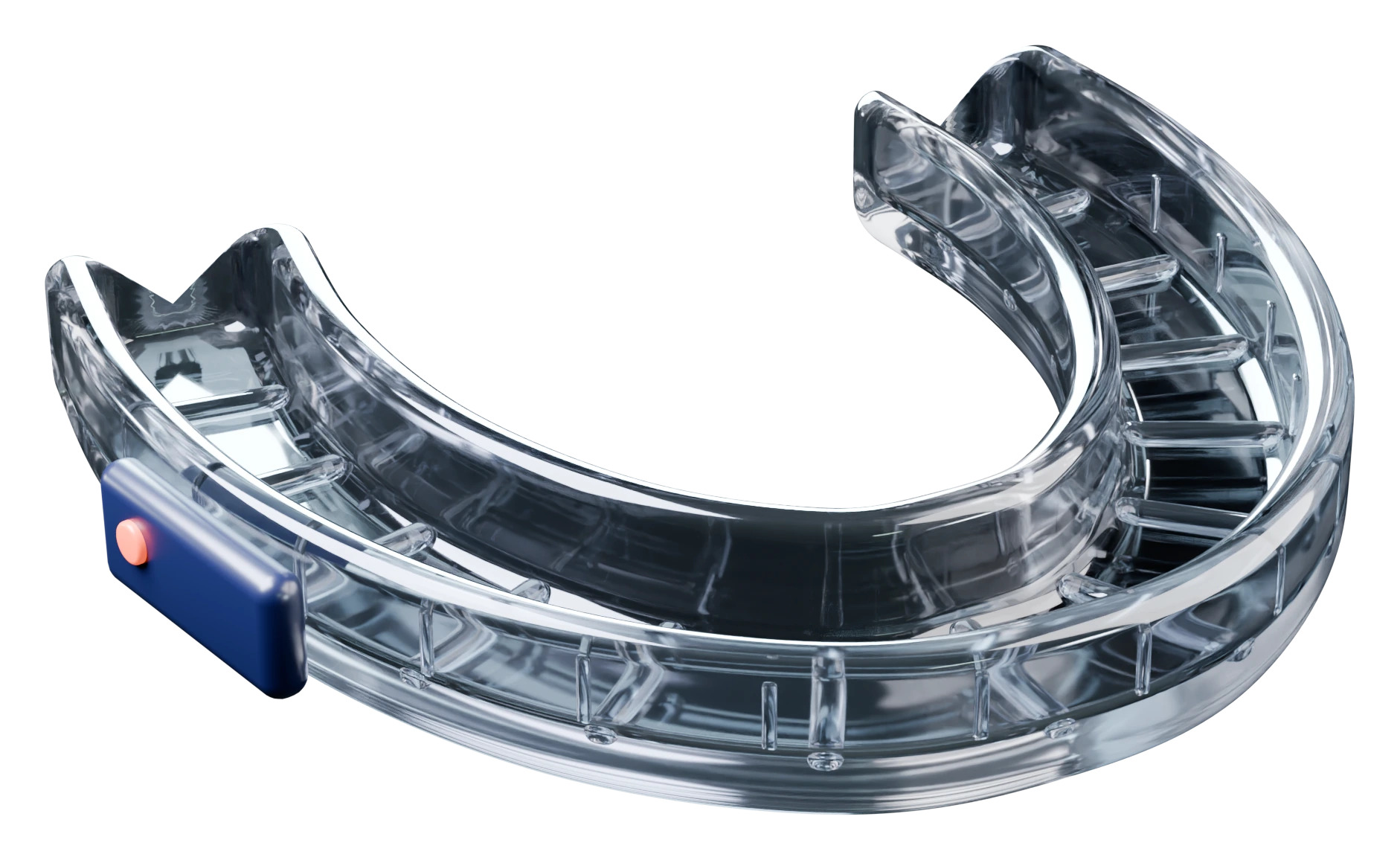
No needles, no tubes, no waking up to spit. Lyra is designed to stay out of the way of the sleep it studies.
Saliva, read again and again.
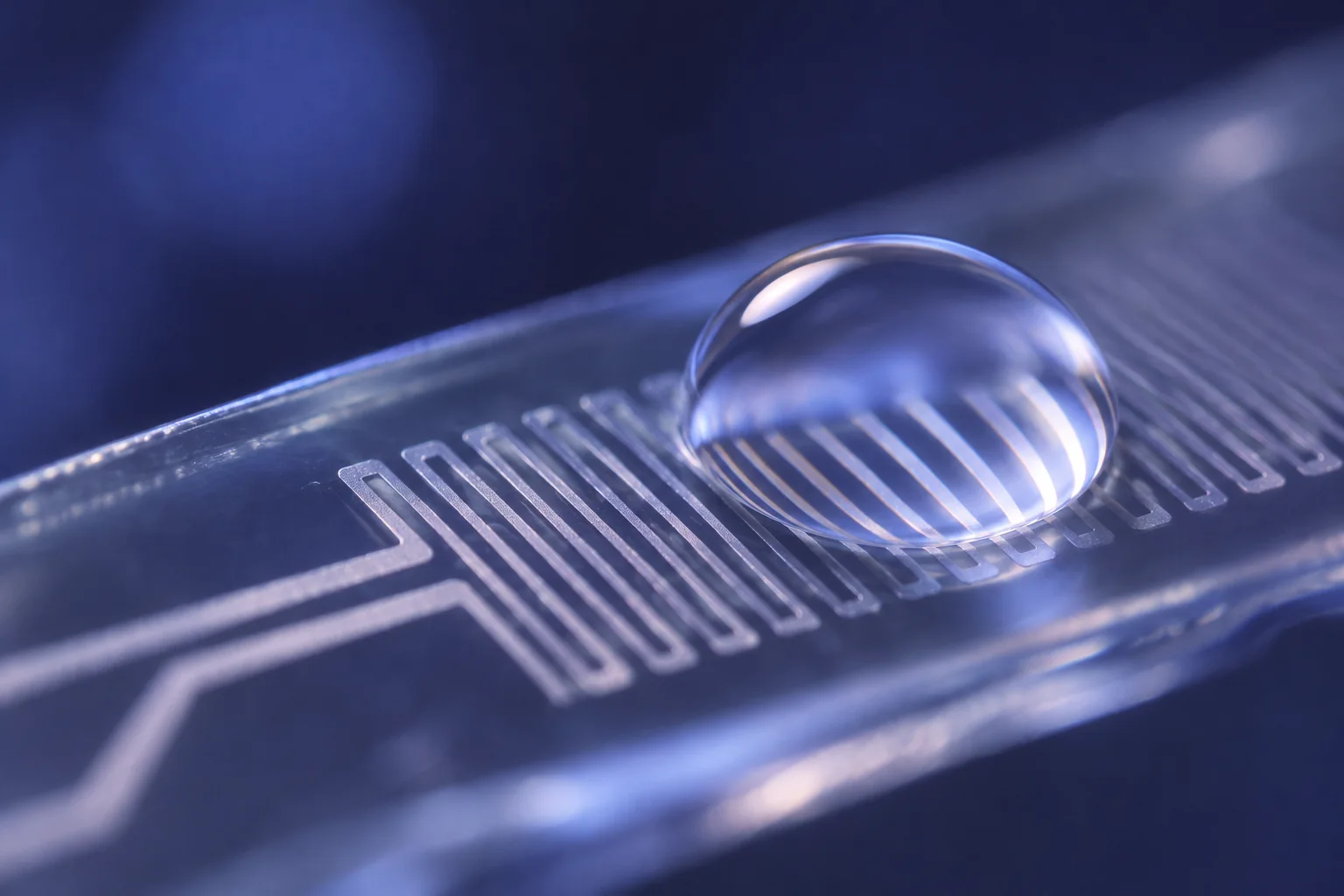
Biosensors, in development, are designed to take repeated measurements of hormones in saliva across the night.
Patterns, not snapshots.
Our goal is to help researchers and clinicians study the endocrine layer of sleep as a shape across the night, rather than a single number.
WearSampleSee
9:00PM
On average, melatonin starts rising more than two hours before bedtime.
One sample. So much in between.
Melatonin rises from onset in the evening, holds through the night and falls toward waking.
8:30 AM clinic sampleMelatoninCortisolAverage bedtime, 11:28 PMMelatonin near its overnight highWhat one sample would suggest
9 PM11 PM1 AM3 AM5 AM7 AM9 AM
Melatonin modeled from published group means for salivary melatonin (Burgess & Fogg, 2008, PLoS ONE; n = 170, 30-minute samples), with episodic pulses as reported in frequent-sampling studies. Cortisol illustrative, relative scale. Not patient data or Cicada device output.
Morning.
Back in the case.
Lyra is designed to read the whole night.
Trackers read your pulse. Clinics read one moment. Lyra is designed to do both, all night.
9 PM1 AM5 AM9 AM
Sleep trackers
At home
Heart rate and movement all night. Hormones stay invisible.
Blood and saliva tests
Clinic-based
Missed overnight
Hormones, one moment. Blood draws are invasive; saliva samples are not.
Lyra
In development
Designed to capture the same at-home physiology, plus hormones across the night, non-invasively.
Cicada's development goals compared with sleep trackers, blood tests and saliva tests
Feature
Cicada (in development)
Sleep trackers
Blood tests (clinic-based)
Saliva tests (clinic-based)
Hormones
Yes
No
Yes
Yes
Physiology
Yes
Yes
No
No
Non-invasive
Yes
Yes
No
Yes
At-home
Yes
Yes
No
No
Continuous
Yes
Yes
No
No
Bring us the questions your sleep data can't answer.
We're talking with researchers and clinicians in sleep health, circadian science and hormone research about the measurements they need.